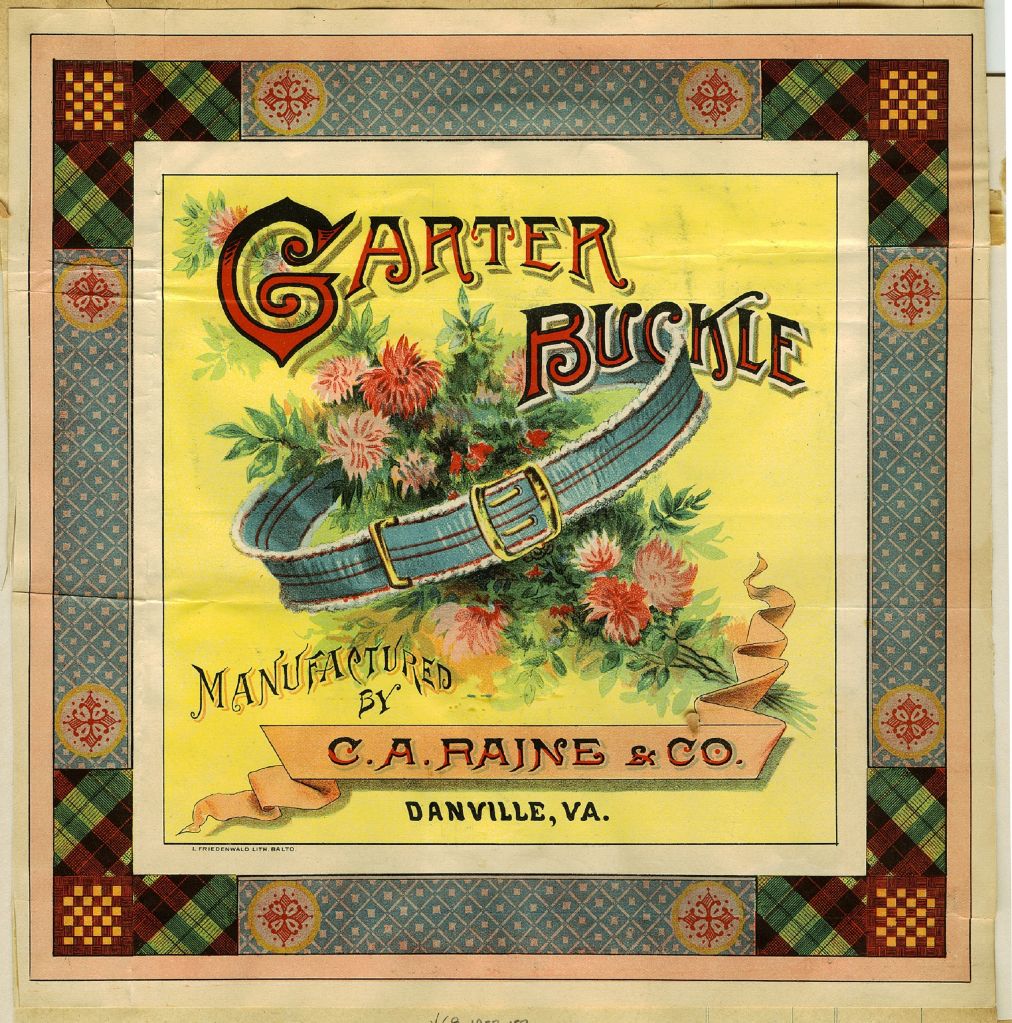
Remnants of the C.A. Raine & Co. tobacco manufacturing operation are difficult to find, as if the artifacts were scattered to the wind. As luck would have it, a group of caddy labels or crate labels survived and are now in the collection of the Valentine Museum in Richmond, Virginia.
Caddy labels were affixed to or painted onto wooden crates that contained the manufacturer’s product. Extreme competition in the tobacco industry starting in the 1880s pushed manufacturers to create more varied and striking labels. In 1968 the American Tobacco Company, with offices in Richmond, donated a group of tobacco labels to The Valentine Museum, a private museum dedicated to preserving the city’s history. Among those labels are seven from C.A. Raine & Co., glorious examples of label art from two different periods in the tobacco industry.
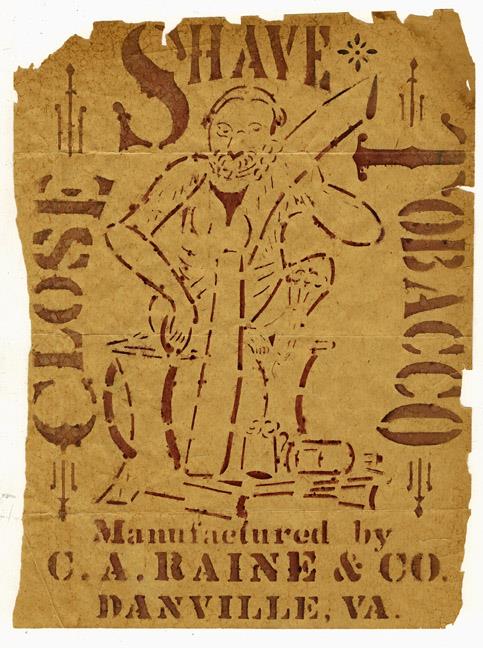
The first is the only surviving C.A. Raine & Co. caddy label – known to me – from the 1870s. It is for Close Shave plug tobacco. The humorous Close Shave brand art featured a monkey shaving himself with a straight razor. The Close Shave label was not a label really but a stencil which was used to paint the brand art, brand name and company name on the wooden box. Paper labels would come later.
The tobacco industry after the Civil War was hyper-competitive and manufacturers were quick to latch on to any advancement in technology or technique. Developments in chromolithography, a multi-color printing process, not only changed advertising but quickly revolutionized the printed world of Victorian America from black and white to color, freeing commercial artists to create images with unlimited shape and form.
Many of the leading lithography firms were started by German immigrants, where chromolithography was invented. C.A. Raine & Co. hired at least two of those firms based on the labels in the Valentine, A. Hoen & Co. and Isaac Friedenwald Co., both of Baltimore, Maryland.
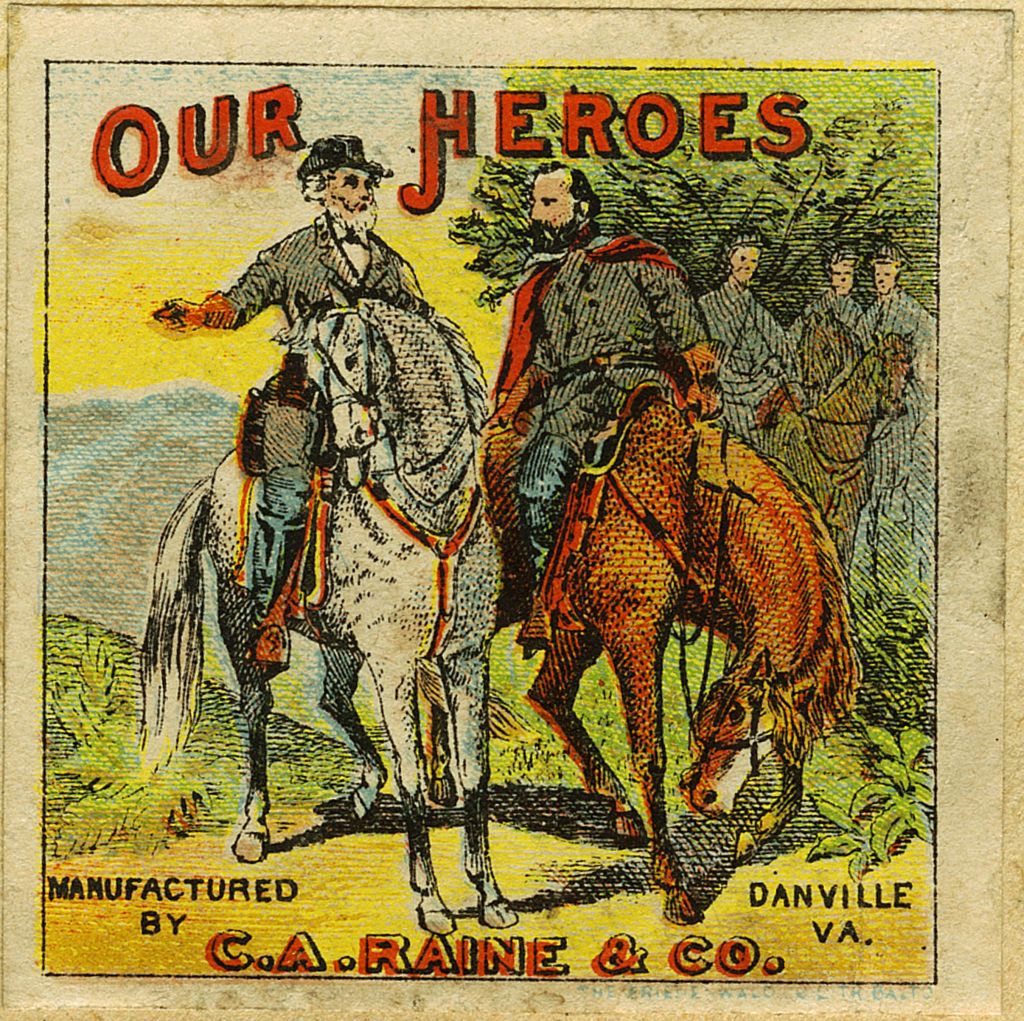
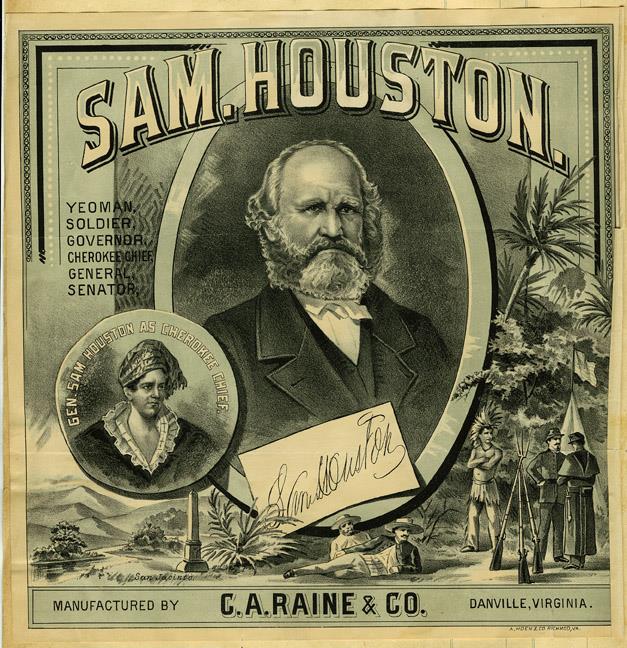
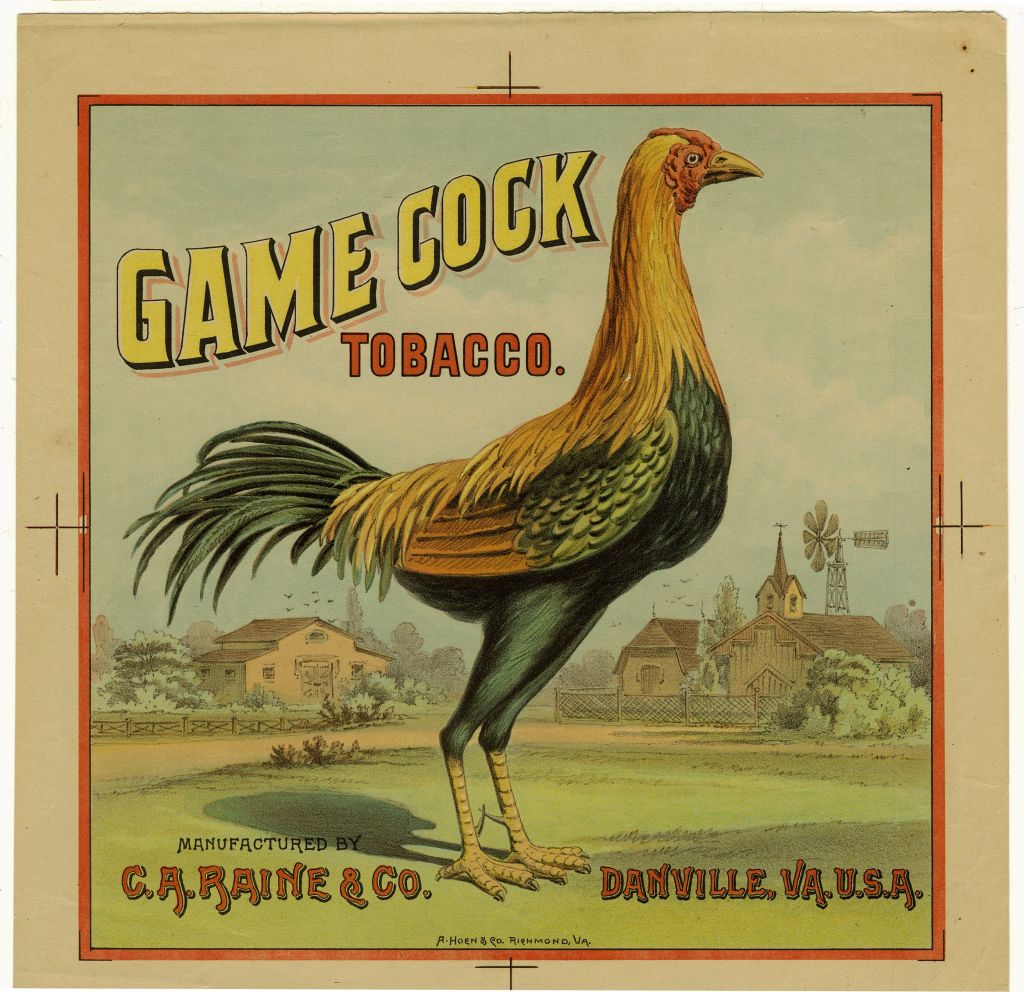
The wonderful images in this post are shown with the generous permission of The Valentine Museum. If you would like to get a high-quality copy of your own – I have several framed on my wall – or to get a digital copy, go to this link to see the fee schedule and support this excellent institution. You can see these labels in the Valentine’s catalog at this link.
As I wrote previously, the labels were donated to The Valentine Museum by the American Tobacco Company. I have wondered if that offered a clue to the fate of C.A. Raine & Co. after its bankruptcy in 1895. The company name lived on in some form after the bankruptcy and Charles Anderson Raine’s death in 1902. That is a subject for a future post.
Sources:
Meggs, Phillip B., and Alston W. Purvis. Megg’s History of Graphic Design, 5th ed. Wiley, 2011.
Petrone, Gerard S. Tobacco Advertising: The Great Seduction With Values. Schiffer Publishing. 1996.
 C.A. Raine & Co.