In 1842, on his first of two visits to the United States, Charles Dickens was appalled by the American habit of tobacco chewing and the resulting spitting in public as he traveled South and West. In his travelogue, American Notes, he wrote, “But in some parts, this custom (tobacco chewing and spitting) is inseparably mixed up with every meal and morning call, and with all the transactions of social life. The thing itself is an exaggeration of nastiness, which cannot be outdone.”
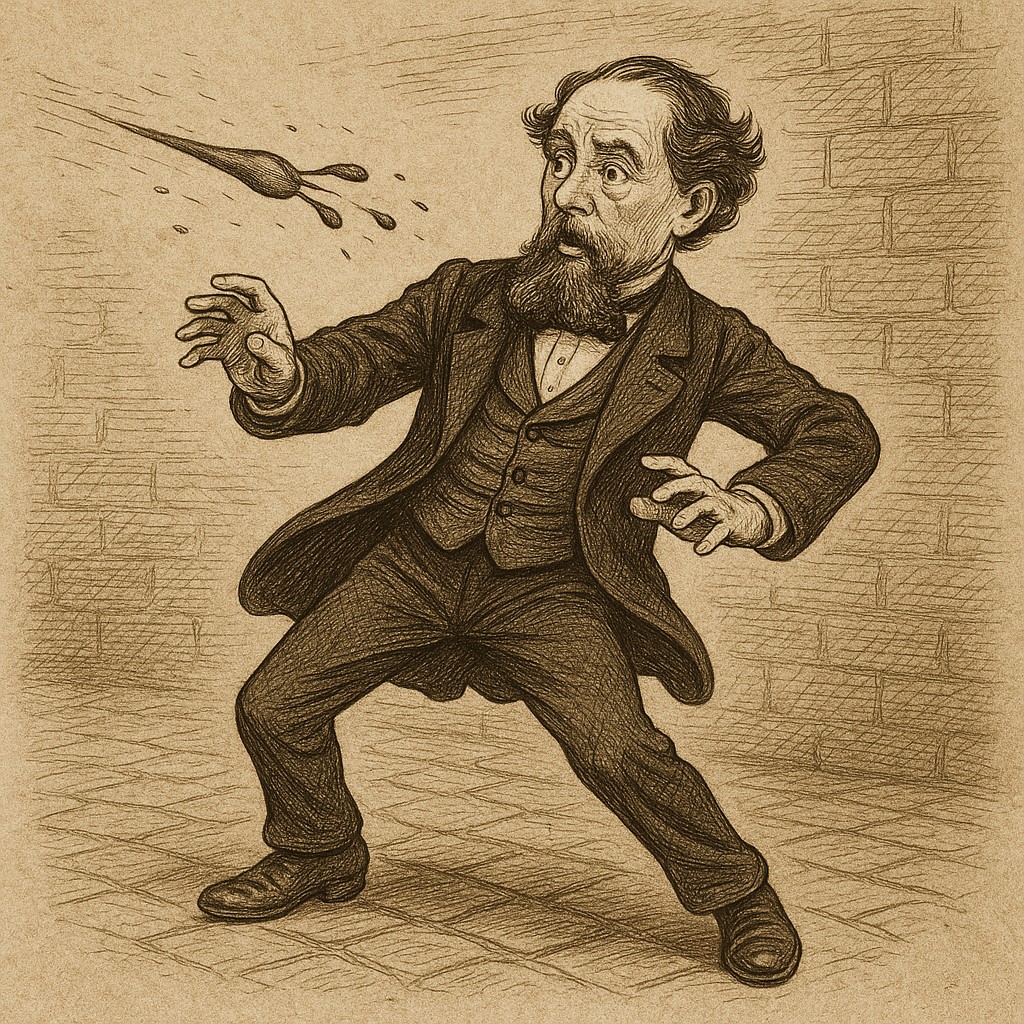
Dickens went on to note that despite the ubiquity of the spittoon or cuspidor, few chewers cared to be accurate when they spat, whether the mark was a spittoon, fireplace, or open window. He observed that the lovely carpets of both houses of Congress were stained yellow and brown with spittle anywhere men trafficked them. Amber stains adorned many a shirt, beard, and chin of citizens of all stations of life in the United States.
In Dickens’ time, tobacco was most commonly smoked in pipes or various kinds of cigars. Smoking was prevalent in the United States too but chewing tobacco was and still is a distinctly American habit. In 1842, the habit of chewing tobacco was most prevalent in the South and West. After the U.S. Civil War, Union veterans took the taste for Virginia and North Carolina bright leaf tobacco, whether smoked or chewed, home with them.
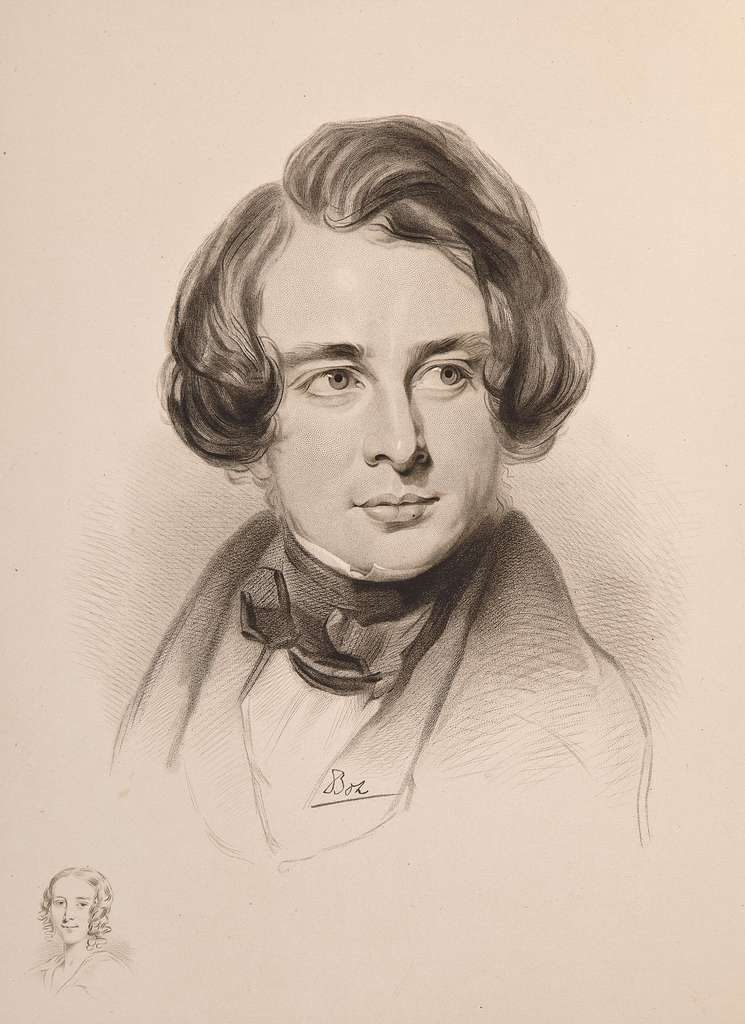
Demand for smoking and chewing tobacco increased quickly in a country that was rapidly growing. When Charles Anderson Raine began in the tobacco manufacturing business in Danville in the 1870s, he was perfectly placed in one of the major centers of bright leaf tobacco manufacture. By then the use of tobacco in all forms was greater than it was during Dickens’ visit. The tobacco business was booming.
Now, long after Dickens visited America, there are few places to smoke in the U.S. Capitol building complex. Chewing or dipping tobacco is still allowed in both houses but each member is no longer provided with his or her own spittoon. In a nod to tradition, two spittoons remain on the Senate floor.
Sources:
Dickens, Charles. American Notes for General Circulation. Project Gutenberg. 2013. https://www.gutenberg.org/ebooks/675
Fuller, Matt. “Tobacco Use: You’ve Come a Long Way, Congress.” Roll Call. 24 June 2013. https://rollcall.com/2013/06/24/tobacco-use-youve-come-a-long-way-congress/ Accessed 3 April 2025.
Tate, Cassandra. Cigarette Wars: The Triumph of “The Little White Slaver.” Oxford University Press. 1999.
 C.A. Raine & Co.